How to Choose a Penis Traction Device Before Buying
Choosing a penis traction device requires more than comparing designs. Learn which features, fitting options, safety instructions, and product details to check before buying.
Updated on Nov 28, 2026
Buying a penis traction device is not as simple as choosing the one with the most features or the lowest price. Products can look similar in photographs but differ in how they fit, how their components adjust, and how clearly the manufacturer explains their use.
If you are comparing different options, focus on practical details rather than promises of fast or guaranteed results. Understanding the design, fit, safety information, product quality, and after-sales support can help you make a more informed decision.
This guide covers the main points worth checking before you place an order.
First, Understand What You Are Buying
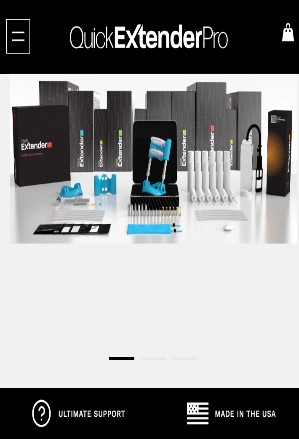
Penis traction devices are designed to apply a controlled stretching force to penile tissue. Depending on the model, they may use adjustable rods, a support base, and a fastening system to hold the device in position.
These products are not all intended for the same purpose. Penile traction has been studied for certain medical conditions, including Peyronie's disease, but the evidence and expected outcomes depend on the specific application. Claims about cosmetic enlargement should be assessed separately, and no particular result can be guaranteed.
If you need an overview of the available designs, see our main guide to penis traction devices.
1. Examine How the Device Fits Together
The design determines how the device is positioned, adjusted, and secured. Start by looking at the actual components rather than relying on product names or promotional photographs.
- Adjustment rods or mechanisms: Find out how the device is adjusted and whether the instructions explain its limits.
- Support components: Check how the base and other contact points are designed to sit against the body.
- Fastening system: Look for clear information about how the device stays in place.
- Contact materials: Review the materials used around sensitive skin.
- Replacement parts: Find out whether important components can be replaced if they wear out.
A complicated design is not automatically a better design. Clear specifications and understandable instructions are more useful than a long list of advertised features.
2. Make Sure Sizing Information Is Available
A device that does not fit properly may slip, create uneven pressure, or cause irritation. That is why sizing deserves attention before you compare prices.
Look for a manufacturer's sizing guide, measurement instructions, and an explanation of the product's adjustment range. If the seller does not explain how to select the correct size, ask for clarification before ordering.
Also consider whether the device can be fitted and removed according to clear instructions. Do not assume that one model will suit everyone simply because its listing describes it as adjustable.
Comfort should never depend on ignoring pain or forcing the device into position.
3. Read the Safety Instructions Before Buying
Safety information should be available before you purchase a device, not discovered after it arrives.
A responsible manufacturer should explain how to fit, adjust, remove, and clean the product. The instructions should also identify circumstances in which use should stop.
Before buying, check whether the seller provides guidance on:
- Correct fitting and removal.
- Permitted adjustment limits.
- Signs of excessive pressure or irritation.
- Cleaning and maintenance.
- When to discontinue use and seek medical advice.
Never assume that applying more tension will produce better results. Stop using the device if you experience pain, numbness, swelling, skin injury, or changes in skin colour, and seek appropriate medical advice.
If you have penile curvature, an existing penile condition, or another relevant health concern, speak with a qualified healthcare professional before using a traction device.
4. Look Beyond the Product Photographs
Images can show the overall appearance of a device, but they rarely tell you everything about its construction.
Read the specifications carefully. Check whether the manufacturer identifies the materials, explains how the components fit together, and provides maintenance instructions. Look for information about the durability of adjustment parts and the availability of replacement components.
It is also worth checking whether the seller offers a product manual and accessible customer support.
Be cautious when a listing uses broad descriptions such as premium materials or professional design without explaining what those statements mean. Specific product information is more useful than vague quality claims.
5. Check Who Makes and Sells the Product
Before spending money, establish whether you can identify the manufacturer or seller and find reliable information about the product.
Useful details include a business name, contact information, product specifications, usage instructions, warranty conditions, and relevant safety guidance.
Next, examine the advertised benefits. Claims of dramatic size changes, guaranteed permanent enlargement, or results within a fixed period deserve particular scrutiny.
If a company refers to clinical studies, check whether the research actually concerns that device and the purpose for which it is being marketed. Evidence relating to a particular medical condition does not automatically establish that the same product produces cosmetic enlargement.
6. Compare the Full Cost, Not Just the Listed Price
Two devices with similar appearances may come with different accessories, warranties, support options, or replacement-part costs.
Before ordering, compare the details side by side.
| What to compare | Questions to ask |
|---|---|
| Total price | Are shipping charges or other costs added at checkout? |
| Included components | Does the listed price include everything shown or described? |
| Warranty | What parts and problems are covered? |
| Returns | Are there time limits or hygiene-related exclusions? |
| Customer support | Can you contact the seller if fitting instructions are unclear? |
| Replacement parts | Are compatible components available, and what do they cost? |
Read the return conditions carefully. Some intimate products have restrictions once packaging is opened, so do not assume that an item can be returned simply because it does not suit you.
A higher price does not automatically mean a device is safer or more effective. Compare the actual specifications and support provided.
7. Use Customer Reviews for Practical Information
Reviews can help identify recurring complaints about confusing instructions, difficult adjustments, missing components, or poor customer service. They are less reliable for predicting individual physical results.
When reading feedback, look for specific descriptions of the product and its practical features. Check whether comments relate to the same model and whether the information appears consistent across different sources.
Treat dramatic before-and-after photographs, testimonials, and promises of guaranteed outcomes cautiously. Customer experiences are not a substitute for reliable evidence about safety or effectiveness.
8. Complete This Checklist Before Ordering
Use these questions to narrow your options:
- Is the device's construction clearly described?
- Does the manufacturer explain sizing and adjustment?
- Are the materials and maintenance requirements disclosed?
- Are fitting, removal, and safety instructions available?
- Can you identify the manufacturer or seller?
- Are the warranty and return conditions clear?
- Are the advertised benefits realistic and supported by relevant evidence?
If important information is missing, contact the seller or consider a different product. You do not need to rush into a purchase simply because a promotion is about to end.
Frequently Asked Questions
What matters most when choosing a penis traction device?
Start with suitable sizing, understandable adjustment instructions, clear safety guidance, and reliable manufacturer information. Then compare construction, maintenance requirements, warranty coverage, and price.
Does a more expensive device mean better results?
Not necessarily. Price alone cannot establish a product's safety, quality, or effectiveness. Compare documented features and evidence rather than assuming that a premium-priced device will deliver better outcomes.
Can every penis traction device produce permanent enlargement?
No. Results cannot be guaranteed, and evidence varies according to the device and intended use. Be cautious of sellers promising permanent changes or specific results for everyone.
Where can I compare different penis traction devices?
Start with our penis extenders guide for a broader overview. Use the information alongside manufacturer documentation and reliable evidence before deciding whether a product is suitable for you.
Final Buying Advice
A sensible purchase starts with asking the right questions. Check how the device fits, how its components adjust, what safety information is available, and whether the manufacturer provides enough detail to evaluate the product.
Give more weight to clear specifications and realistic claims than to promotional language. If you cannot verify important details before buying, take the time to investigate further rather than making a decision based on appearance or price alone.
- How Long Does a Penis Extender Take to Work?